A buyer looking at a listing in Wilhaggin will usually ask the same question their agent asks about any home in an established Sacramento neighborhood: what are the HOA dues, and what can I actually do to this house without getting a letter from a board. In most of Wilhaggin, the honest answer is that there is no HOA to write that letter. That surprises people, and it shouldn't, because it changes what shows up in your closing paperwork and what you're free to build once you own the place.
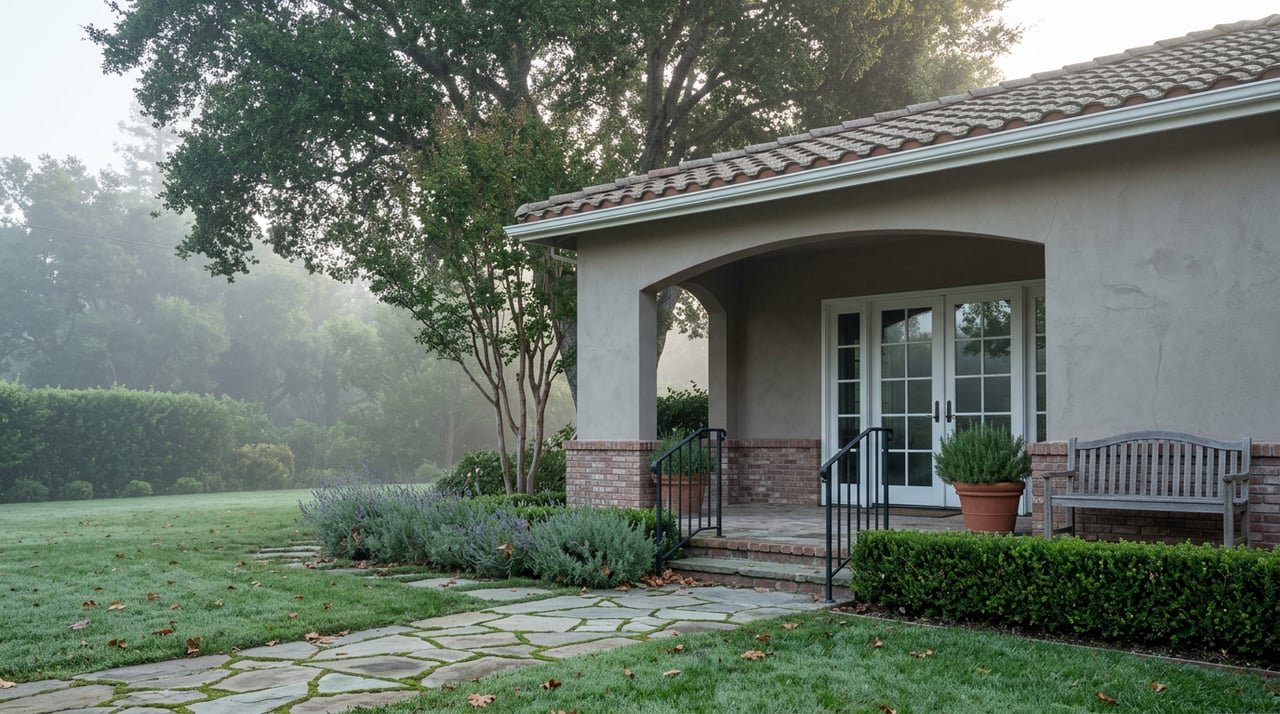
Wilhaggin looks, from the street, like the kind of neighborhood that comes with a rulebook. Mature trees, a consistent scale of home, a name that gets used with a certain reverence around Sacramento real estate circles. What it doesn't have, for the vast majority of its addresses, is a common interest development governed by CC&Rs. What it has instead is a voluntary security nonprofit that everyone calls "the association," and one small, separately incorporated pocket that actually is a legal HOA. Knowing which one applies to a specific address is the difference between a routine closing and a resale package nobody was expecting.
The Assumption That Doesn't Hold on Closer Look
The confusion starts with the name. The Wilhaggin Del Dayo Neighborhood Association, known locally as WDDNA, is the group most people mean when they say "the Wilhaggin HOA." It isn't one. WDDNA describes its own purpose plainly on its website: it exists to enhance and protect the safety and security of the neighborhood's residents and property, full stop. It is a volunteer-run nonprofit that spans the area south of Fair Oaks Boulevard, roughly between Watt Avenue and Arden Way, with American River Drive cutting through the middle of both Wilhaggin and neighboring Del Dayo.
WDDNA collects member dues and uses them to contract with the Sacramento County Sheriff's Office for off-duty deputies who patrol the streets in marked vehicles. That's the entire function. There's no architectural committee attached to it, no CC&Rs on file with the county, no authority to approve or deny a room addition or a repaint. Members get a monthly newsletter, security alerts, and vacation monitoring for their homes. What they don't get, and what non-members don't lose by opting out, is any exposure to a lien or a governing document that restricts what they build.
What WDDNA Dues Actually Buy
The scale of participation is worth sitting with, because it tells you this is a genuinely voluntary system rather than an HOA in disguise. According to a Sacramento Bee excerpt reprinted on the association's own site, more than half of the roughly 2,144 homes across Wilhaggin and Del Dayo pay dues, putting membership above 1,000 households. That's a strong participation rate for something nobody is legally required to do. It also means close to half the homes in the footprint pay nothing at all, with no consequence beyond not funding the patrol.
That same reprinted account is where the "lake" in Wilhaggin gets its correction: the body of water along Lake Wilhaggin Drive is described as more of a large, private pond, not a true lake, and the streets around it belong to a different, separately governed pocket entirely. It's also where you'll find the detail that three California governors, George Deukmejian, Pete Wilson, and Gray Davis, all lived in a home along that same street at different points, which says something about how long Wilhaggin has held its reputation without needing a CC&R system to enforce it.
That absence of formal control isn't new. When Streng Bros. Homes began selling in Wilhaggin in 1967, the closest thing to design oversight was informal: Jim Streng, who ran the firm's Sacramento operations, functioned as a kind of one-man design committee, advising early buyers on paint colors and floor plan changes. Original resident Shirley Rombold put it simply when asked what governs the neighborhood's look today.
"Anyone can do anything they want to."
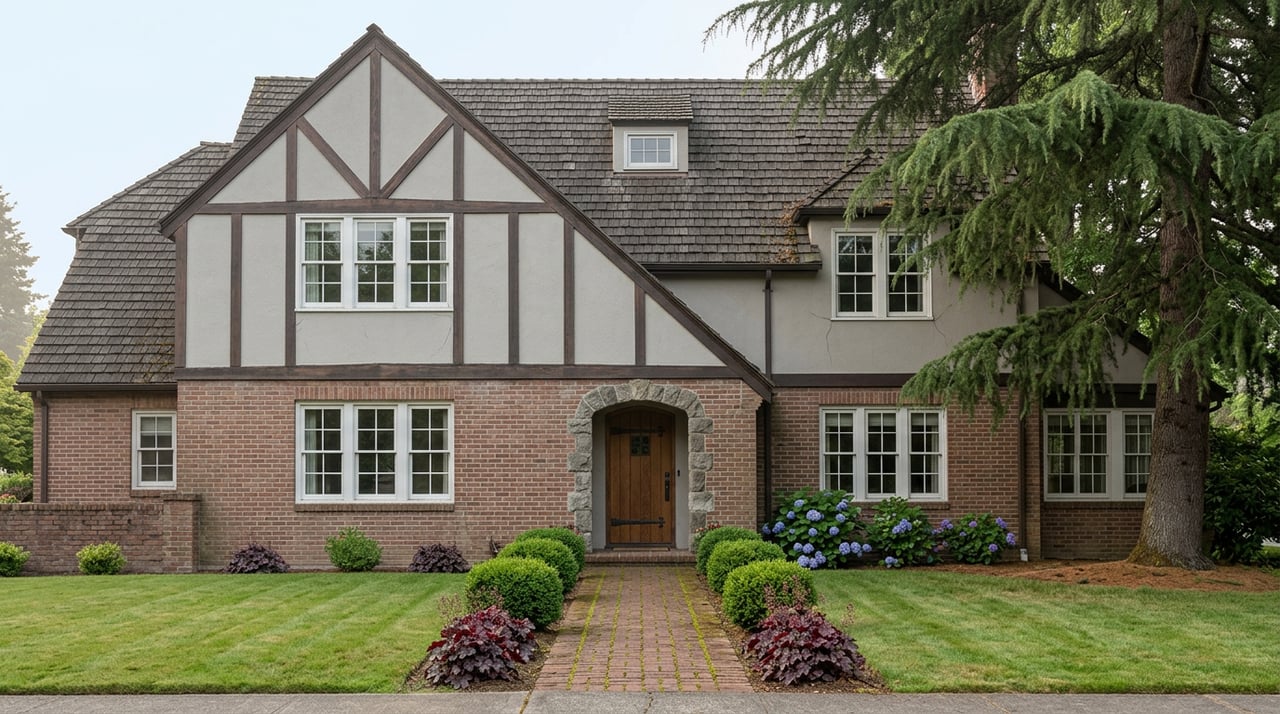
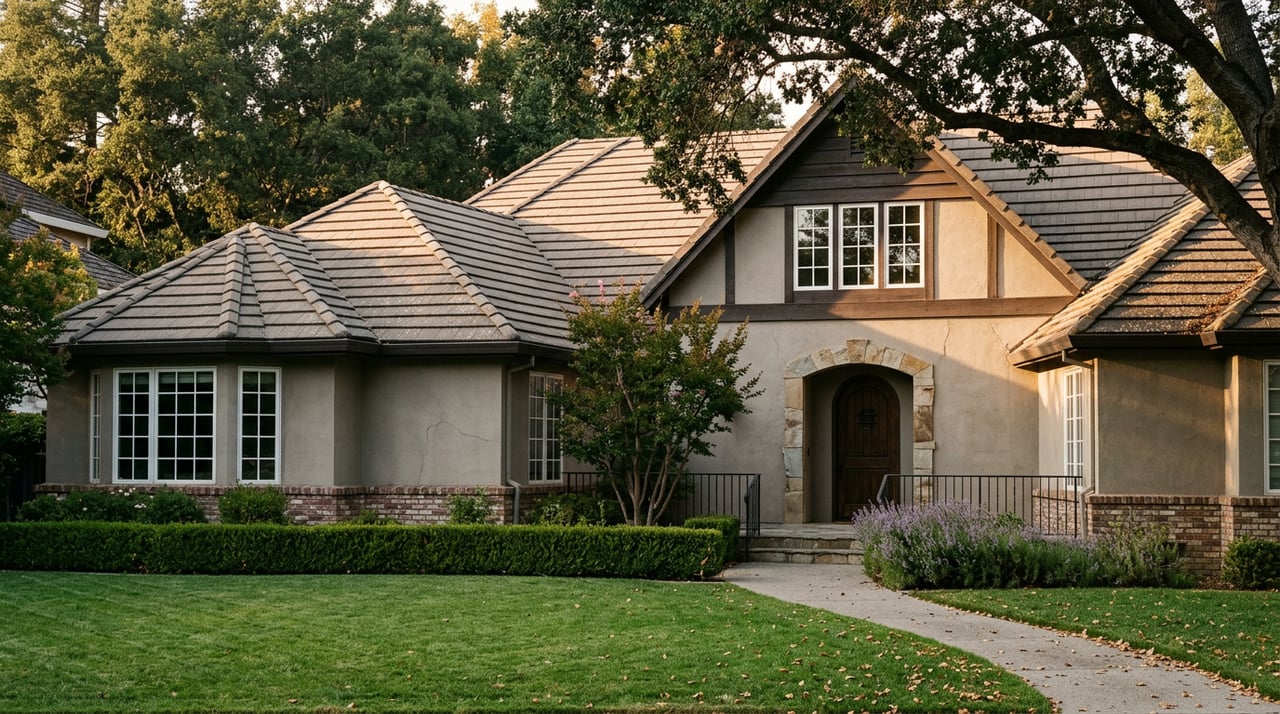
That's not a complaint in the source material, it's a description of fact. The informal committee that once existed is gone, and nothing legal ever replaced it for the roughly 150 homes Streng built along American River Drive, Crondall Drive, North River Way, and the streets near Ashton Park. Some of those homes have been visibly changed over the decades, with additions, restyled entries, and materials that don't match the originals, and none of it required anyone's sign-off.
The One Corner That Really Is an HOA
The exception is Wilhaggin Lake Estates, and it's a genuine exception, not a rebrand of WDDNA. Wilhaggin Lake Estates Homeowners Association is a nonprofit mutual benefit corporation, the same legal structure California uses for actual common interest developments, filed with the Secretary of State back in 1974 and still active today. It's professionally managed through a property management company, which is standard practice for an HOA that carries reserve obligations, a budget, and bylaws that get updated as boards change.
If your prospective purchase sits inside that specific pocket, the rules are different in every direction that matters. There are real CC&Rs on file. There's a reserve fund that should be adequate for things like the pond, common landscaping, and any shared infrastructure. And under California Civil Code section 4525, a seller in a true common interest development is legally required to hand buyers a resale package: governing documents, current budget, reserve study, assessment history, notice of any unresolved violations, and insurance summary. As of January 1, 2026, that package also has to include the association's most recent elevated-element inspection report, the balcony and deck inspection now required under state law. None of that paperwork exists for a WDDNA-only address, because WDDNA isn't a common interest development in the legal sense. It's a civic patrol group that happens to use the word association.
| Layer | Legal status | What it actually governs | Dues |
|---|---|---|---|
| Streng design committee (1967 era) | Informal, defunct | Nothing today | None |
| WDDNA | Voluntary 501(c)4 nonprofit | Off-duty Sheriff patrol funding only | Optional, no lien |
| Wilhaggin Lake Estates HOA | Incorporated mutual benefit corp, filed 1974 | CC&Rs, reserves, resale disclosure | Mandatory, enforceable |
What This Means When You're the One Signing at Closing
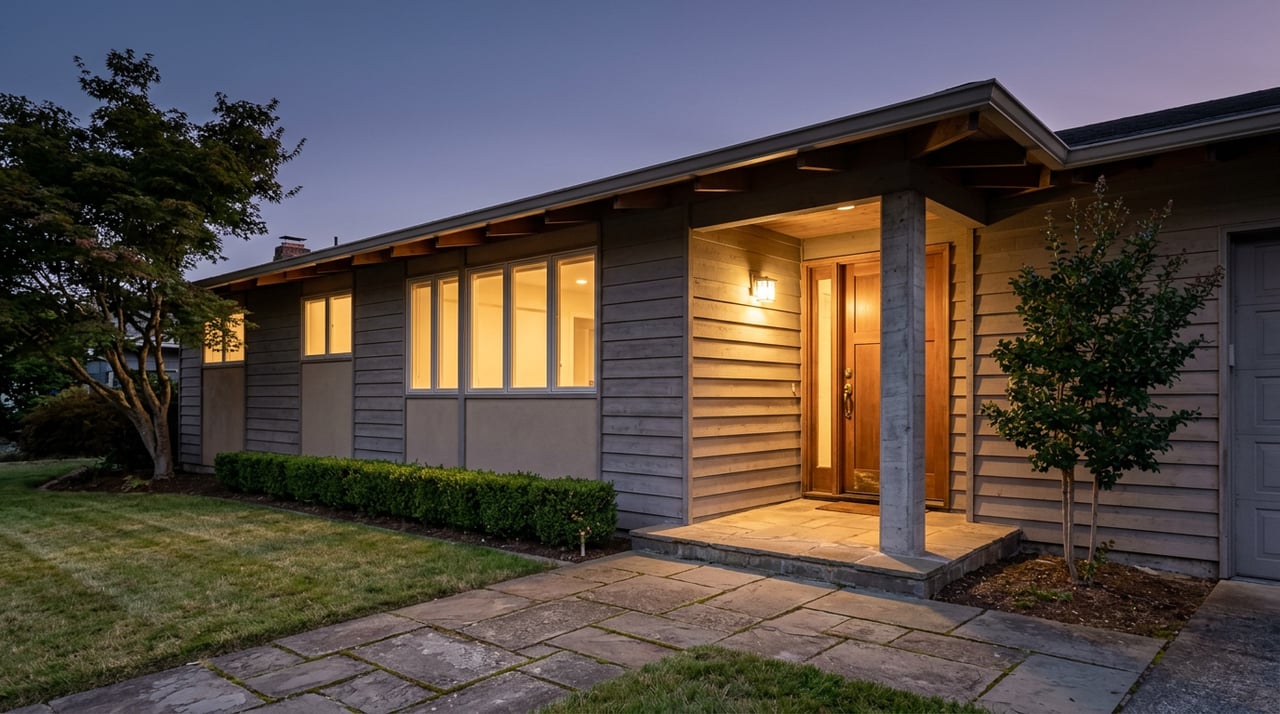
For most buyers in Wilhaggin, this cuts the paperwork down, not up. If your address falls outside Lake Estates, there's no resale certificate to wait on, no reserve study to review, no board approval process standing between you and a renovation. That's a real advantage if you're coming from a planned community elsewhere in the Sacramento region where every exterior change requires a form and a 45 day wait. It's also a reason the neighborhood's architecture reads as such a mix of eras and styles up close. Nobody has been enforcing consistency since Jim Streng stopped fielding requests personally.
For sellers, it means confirming early which category your home falls into, so nobody is scrambling for a resale package three days before closing that either doesn't exist or absolutely does. For buyers weighing WDDNA membership, it's worth understanding you're opting into a security service, not a set of restrictions, and that declining doesn't expose you to collections or a lien the way skipping real HOA dues would.
Confirming Which Rulebook Applies to Your Address
The fastest way to know for certain is to ask your escrow officer or title company to check whether the specific parcel is subject to any recorded CC&Rs, since Lake Estates and the broader WDDNA footprint overlap in the same general area without sharing a boundary map that's easy to eyeball from the street. Streets change hands and micro-neighborhoods within Wilhaggin, including pockets sometimes called Wilhaggin Oaks or Wilhaggin East and West, don't always announce which system applies just by their name.
Do I have to join WDDNA if I buy in Wilhaggin? No. Membership funds the contracted Sheriff patrol and is entirely optional, with no legal consequence for opting out.
Can I remodel a Streng-era home without approval? For homes outside Wilhaggin Lake Estates, there's no active architectural committee to seek approval from. Local building permits still apply as they would anywhere in unincorporated Sacramento County, but there's no neighborhood design board to satisfy.
How do I know if my address is inside Wilhaggin Lake Estates? Ask your title company to pull the preliminary title report and check for recorded CC&Rs, or ask the listing agent directly. It's a small enough footprint that most agents who work the area regularly can tell you on sight.
Thirty six years of walking these streets means knowing which ones answer to a board and which ones don't, and that distinction matters the moment you're staring at a closing timeline. If you're buying or selling in Wilhaggin and want a straight answer about what applies to your specific address, Angela Heinzer can walk you through it before it becomes a surprise in escrow. Reach out for a free home valuation and a clear read on exactly which rulebook, if any, comes with the house.