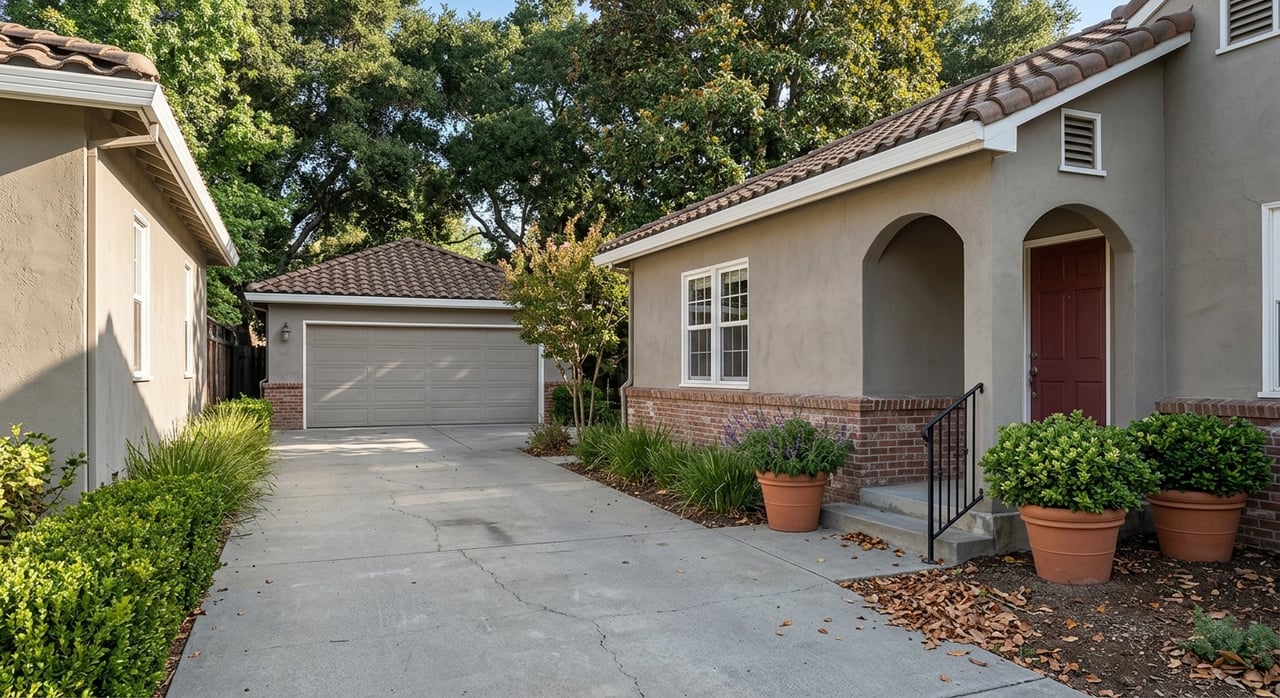
Are East Sacramento and Land Park good places for small-scale real estate investing? The short answer is yes, but probably not in the way many first-time investors expect. If you are looking at these classic Sacramento neighborhoods, you need a clear plan, realistic numbers, and property-level due diligence. Let’s dive in.
Why East Sacramento and Land Park attract investors
East Sacramento and Land Park are two of Sacramento’s most established neighborhoods, and both are largely built out. That matters because you are usually not buying into major new development upside. Instead, most opportunities come from renovation, reconfiguration, and, in some cases, adding an ADU.
East Sacramento development began in the 1890s, and the city describes it as almost fully built out with traditional single-unit neighborhoods. Land Park traces back to the late 1840s and later added bungalow-era subdivisions and postwar tract housing, with the city also describing it as mostly built out. For you as an investor, that means the value story is often tied to improving what already exists.
What the current market says
Both neighborhoods are functioning as seller’s markets in the current data, which can make buying feel competitive. As of April 2026, East Sacramento shows a Zillow home value of $785,345, a median listing price of $799,250, a median sold price of $720,000, 46 homes for sale, and a median of 26 days on market. Realtor.com also reports a 100% sale-to-list ratio.
Land Park is even tighter in some ways. Its April 2026 snapshot shows a Zillow home value of $863,679, a median listing price of $740,000, a median sold price of $849,500, 16 homes for sale, and a median of 25 days on market, with a 99% sale-to-list ratio. In plain terms, both neighborhoods tend to reward buyers who move decisively and understand the block-by-block differences.
Cash flow is usually thin
If you are hoping for a strong traditional rental return right away, the numbers call for caution. Redfin reports a median rent of $1,895 in both East Sacramento and Land Park as of its September 24, 2025 rental market update. When you compare those rents with current neighborhood home values, the implied price-to-rent multiple lands in the high 30s.
That translates to only about 2.6% to 2.9% gross yield before taxes, insurance, vacancy, and maintenance. While that is a simple back-of-the-envelope calculation, it gives you a useful reality check. In these neighborhoods, small-scale investing is often more about long-term appreciation, equity growth, and value-add potential than immediate cash flow.
Rental demand looks steadier than rental margins
Thin cash flow does not mean weak demand. Realtor.com shows 40 active rental listings in East Sacramento and just 5 in Land Park as of April 2026. That limited rental inventory suggests a smaller rental supply base, especially in Land Park.
For you, that can support the case for a long-term hold or house-hack strategy. The rental side may offer stable demand, but at today’s prices, it often does not support an easy income-property formula. The investment thesis has to be disciplined from the start.
Best-fit strategies for small investors
Long-term hold
A long-term hold can make sense if you are buying with patience and a realistic income forecast. In both neighborhoods, the numbers point more toward future appreciation and equity growth than toward standout near-term rental returns. That means your margin for error on purchase price and renovation scope is smaller.
This strategy tends to work best when the home has solid fundamentals and a clear path to future usability. That could mean an appealing floor plan, a lot that may support an ADU, or renovation work that improves long-term value without overcapitalizing the property.
House hacking or live-in remodel
For many buyers, this is the most natural fit. A live-in remodel or house hack lets you absorb some short-term inconvenience while improving the property over time. In mature neighborhoods like East Sacramento and Land Park, that can be a practical way to unlock value.
This approach may work especially well when the home needs layout updates, deferred maintenance, or cosmetic improvement. It can also make sense if you are considering an ADU and want to stay closely involved with the process. In Land Park especially, the higher home values and very limited rental inventory push the math more toward owner-occupied value-add than pure investor yield.
Light flip with discipline
A flip is possible, but the safest projects are usually the ones with a clear scope and a strong respect for neighborhood character. Both areas have mature, character-driven housing stock. That makes it especially important to avoid assuming that bigger automatically means better.
Sacramento’s historic-district review structure also matters here. If a property is a landmark or sits within a historic district, design standards or review processes can affect what you can do. In these neighborhoods, overbuilding relative to the block can create extra risk.
ADU potential can change the math
ADUs are one of the most important small-scale investing tools in built-out Sacramento neighborhoods. The City of Sacramento allows up to two ADUs on a single lot with an existing or proposed primary residential structure. Detached ADUs may total up to 1,200 square feet on the lot, while attached ADUs may be up to 50% of the primary structure or 850 square feet, whichever is greater, and up to 1,000 square feet for two or more bedrooms.
The city also states that ADUs may be rented separately from the primary residence, though they may not be sold separately. That can make an ADU attractive if you want added rental flexibility, guest space, or a way to improve the property’s long-term utility. In the right setup, an ADU can support a more resilient hold strategy.
Why feasibility is highly address-specific
Not every lot will pencil out the same way. Sacramento notes that zoning standards can vary by zone, affecting setbacks, height, lot coverage, landscaping, and parking. In older neighborhoods with compact lots and existing improvements, those details matter a lot.
If the property is a landmark or located in a historic district, objective ADU design standards or Site Plan and Design Review may also apply. The city’s historic district plans tell owners to check the address first to confirm whether a property falls within a listed district. That is why ADU planning in East Sacramento and Land Park should always start with the specific address, not a broad assumption.
Practical ADU details worth knowing
A few city rules can make a real difference to your budget. Impact fees are waived for ADUs under 750 square feet, and the city generally does not require a separate water meter tap for an ADU. Fire sprinkler exemptions can apply in qualifying situations, and photovoltaic requirements may apply depending on the project.
Those details can shape whether an ADU is financially practical. On a compact lot, small changes in utility, fee, and design requirements can quickly affect the feasibility of your plan.
Older homes need a bigger contingency
One of the biggest mistakes small investors make in East Sacramento and Land Park is underestimating older-home risk. East Sacramento’s growth began in the 1890s streetcar era, and Land Park includes late-19th-century homes, early-20th-century bungalows, and postwar housing. With that age profile, hidden-condition risk is part of the investment picture.
You should expect more unknowns than you would in a newer subdivision. That may include outdated systems, prior repairs, or materials that require extra care during renovation. A property that looks like a cosmetic project on day one can become a larger scope once work begins.
Lead, asbestos, and moisture concerns
The EPA says homes built before 1978 are more likely to contain lead-based paint, and the older the home is, the more likely lead is present. The agency also notes that 87% of homes built before 1940 have some lead-based paint. During renovation, disturbing painted surfaces can create lead dust, especially on windows, doors, railings, and porches.
EPA also warns that asbestos may be present in materials like floor tile, ceiling tile, and pipe wrap. If remodeling may disturb these materials, sampling by a trained, accredited professional is recommended. The EPA also emphasizes moisture control during remodels and recommends checking whether an older home may have a lead service line.
How to underwrite older housing stock
The practical takeaway is simple. If you are buying in East Sacramento or Land Park, build a larger renovation contingency than you would for a newer home. Your budget may need to account for hidden-condition repairs, lead-safe work practices, asbestos testing if needed, and possible system replacements.
That does not mean older homes are bad investments. It means careful underwriting matters more here, and a conservative budget often protects you better than an optimistic one.
East Sacramento vs. Land Park for investors
Both neighborhoods can work for small-scale investing, but they do not always fit the same buyer. East Sacramento appears slightly more liquid on the rental side, with more active rental listings and somewhat lower current home values than Land Park. That may give you a bit more flexibility if your plan includes a tenant strategy.
Land Park, on the other hand, has very thin rental inventory and higher home values in the current snapshot. That tends to push the opportunity more toward owner-occupied value-add, long-term hold, or a carefully chosen property with unusually strong ADU or renovation potential. In either neighborhood, success usually comes from buying well and staying disciplined.
A smart investing checklist
Before you buy, focus on the details that matter most:
- Confirm current pricing and rent assumptions for the specific property type
- Review zoning and lot constraints for any ADU or expansion plans
- Check whether the property is in a historic district or has landmark status
- Build a healthy renovation contingency for older-home surprises
- Be cautious about relying on strong short-term cash flow
- Match your strategy to the neighborhood, lot, and condition of the home
In these neighborhoods, broad averages only get you so far. The real edge often comes from understanding one property, one block, and one renovation scope at a time.
The bottom line
Small-scale investing in East Sacramento and Land Park can absolutely work, but it usually rewards patience over speed and planning over speculation. These are mature, supply-constrained neighborhoods where the best opportunities often come from careful acquisition, realistic renovation plans, and address-by-address ADU or historic-review research. If you go in expecting thin near-term cash flow and focus on long-term value, you are much more likely to make a sound decision.
If you are weighing a purchase, planning a live-in remodel, or trying to understand which Sacramento neighborhood best fits your goals, working with someone who knows these streets can make the process much clearer. Connect with Angela Heinzer for neighborhood-specific guidance rooted in decades of Sacramento market experience.
FAQs
Is East Sacramento a good neighborhood for small-scale real estate investing?
- East Sacramento can be a solid choice for small-scale investing if you are focused on long-term appreciation, value-add renovation, or an ADU opportunity rather than strong immediate cash flow.
Is Land Park a good fit for a rental property investment?
- Land Park may work for a long-term hold, but current pricing and limited rental inventory suggest it is often a better fit for owner-occupied value-add or carefully chosen properties than for high-cash-flow rentals.
Can you build an ADU in East Sacramento or Land Park?
- The City of Sacramento allows ADUs in many cases, but feasibility depends on the specific address, zoning, lot conditions, and whether the property is in a historic district or has landmark status.
Do older homes in East Sacramento and Land Park need bigger renovation budgets?
- Yes, older homes in these neighborhoods often call for a larger contingency because hidden-condition repairs, older systems, lead-safe work, and possible asbestos testing can add cost during renovation.
Are East Sacramento and Land Park seller’s markets right now?
- Yes, the April 2026 market data cited in this article shows both neighborhoods functioning as seller’s markets, with low inventory, quick days on market, and sale-to-list ratios near or at 100%.
What is the main risk for small investors in East Sacramento and Land Park?
- One of the biggest risks is assuming a property will cash flow strongly right away, when current pricing, modest rents, and older-home renovation surprises can make returns tighter than expected.