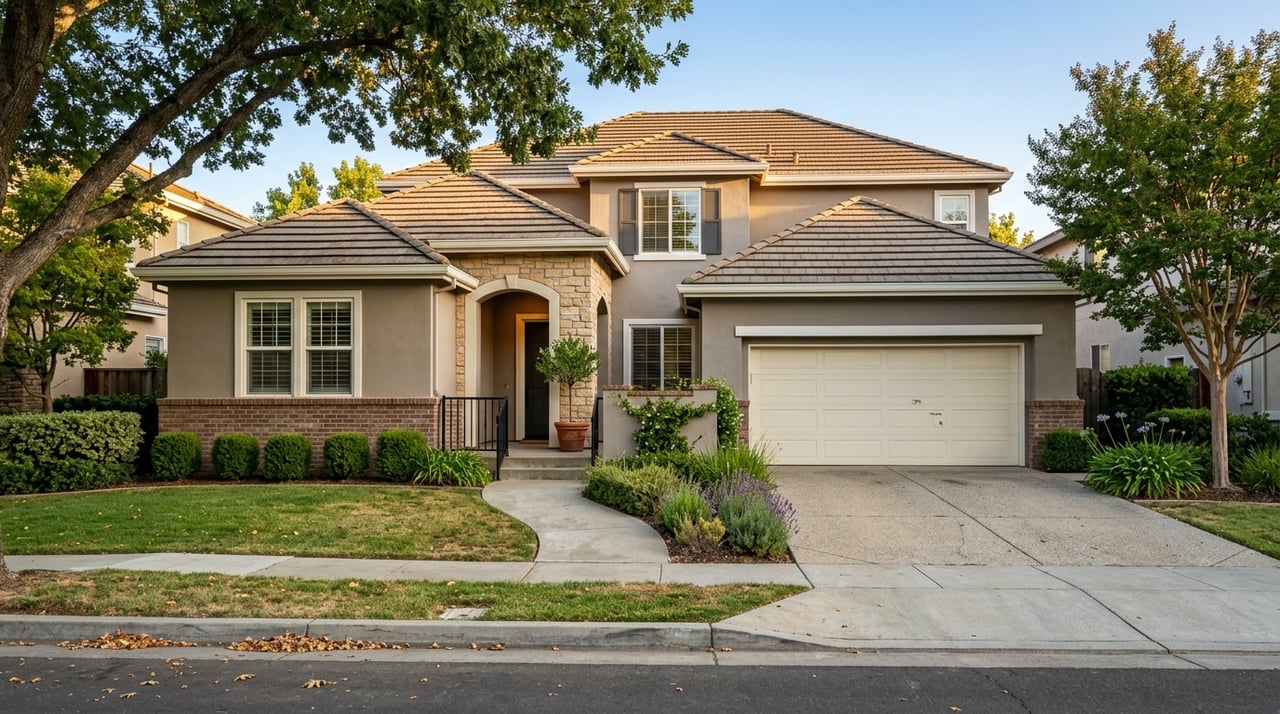
If you want a Sacramento neighborhood with mature trees, established homes, and an everyday connection to the river, South Land Park and Greenhaven deserve a closer look. These areas appeal to buyers who want a lived-in residential setting instead of a fast-growing new construction corridor. You will get a better sense of what daily life feels like here, how the area is laid out, and what to expect before you move. Let’s dive in.
South Land Park and Greenhaven at a Glance
South Land Park and Greenhaven are part of the city’s Pocket Community Plan area, which also includes Pocket and Z’berg Park. According to the City of Sacramento, the area is mostly residential, with local retail and employment centers scattered throughout the community. The city also notes that very little vacant land remains for major new development, which helps explain the established feel.
South Land Park’s neighborhood association area runs roughly between Sutterville Road and Pocket Road, with Freeport Boulevard to the east and Interstate 5 to the west. That geography gives the neighborhood a tucked-in feel while still keeping you close to major roads. For many buyers, that balance is a big part of the appeal.
A Mid-Century Residential Character
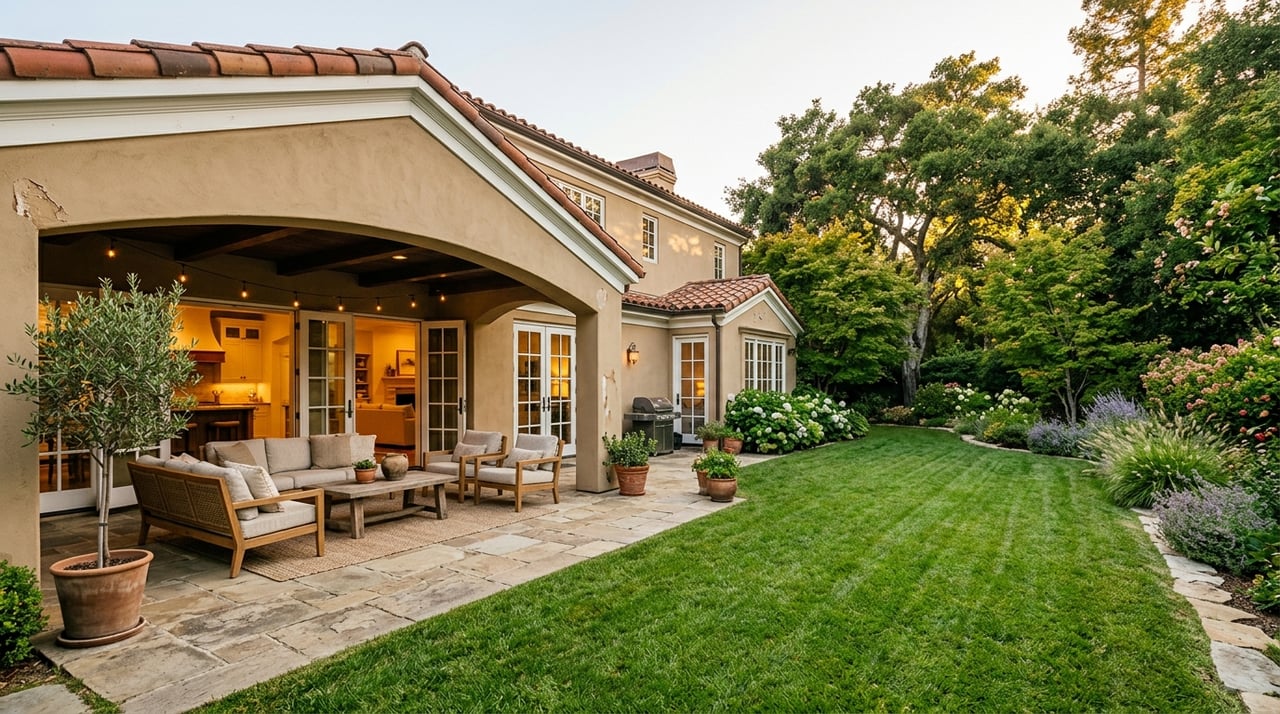
One of the standout features of South Land Park is its physical character. City historic-preservation work describes it as a mid-century residential showpiece area with rolling hills, mature native oak trees, and curving streets that often have no sidewalks. That creates a very different look and rhythm than a typical grid neighborhood.
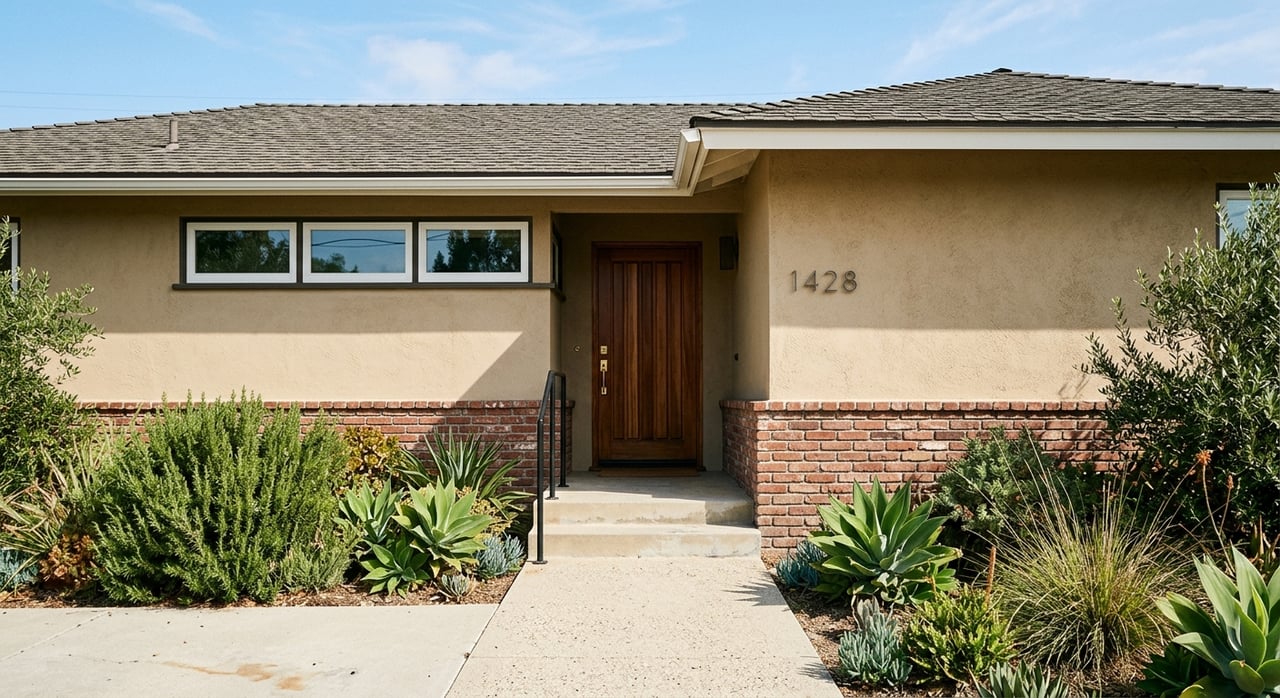
Greenhaven has its own identity as well. The city describes Greenhaven as Sacramento’s first example of cluster planning, with Greenhaven 1 beginning in 1961 and featuring primarily ranch-style single-family homes. If you are drawn to established neighborhoods with older architectural patterns and larger lots than many newer communities, this area often gets your attention quickly.
What Daily Life Feels Like Here
Life in South Land Park and Greenhaven tends to feel residential, calm, and routine-driven. This is not a neighborhood built around a dense downtown-style commercial core. Instead, you are more likely to experience daily life through parks, neighborhood shopping centers, library visits, school runs, dog walks, and commute routes.
The city’s planning documents show that retail and services are spread through the community rather than concentrated in one central district. Mixed-use nodes such as Lake Crest Village and Promenade Shopping Center help support everyday needs like food, coffee, and basic errands. That means convenience is present, but it is neighborhood-scale rather than urban and high-intensity.
Outdoor Living Is a Big Part of the Appeal
For many residents, the Sacramento River and levee system shape everyday life as much as the housing does. The city notes that the river’s proximity supports recreation, while parkways and greenbelts help connect pedestrians and cyclists through the area. If you enjoy walking, biking, or being near open space, that part of the lifestyle stands out.
At the same time, river access is not the same along every stretch. The city explains that levees and private property affect how the waterfront can be accessed, so the river edge is a mix of public park access points, trail segments, and more limited riverfront areas. That is helpful to know if you are picturing continuous public waterfront access.
Garcia Bend Park
Garcia Bend Park is one of the area’s biggest outdoor anchors. It includes a boat ramp, boat trailer parking, picnic areas, nature space, Sacramento River access, and a connection to the Pocket Canal Sacramento River Parkway. For buyers who want easy access to outdoor recreation without leaving the neighborhood, this park is a major plus.
Everyday Parks and Green Space
Smaller parks also support daily routines. Lewis Park and Parkway Oaks Park offer neighborhood green space, and Belle Cooledge Community Center Park includes a dog park. These spaces may not be destination parks on the scale of a regional preserve, but they matter a lot in daily life.
Trails and Future Connectivity
The neighborhood’s trail network is also evolving. The Del Rio Trail project will add a 4.8-mile trail running south through Land Park, South Land Park, Freeport Manor, Z’berg, Pocket, and Meadowview between Interstate 5 and Freeport Boulevard. The city is also designing a river parkway trail between Garcia Bend Park and Zacharias Park, which points to even stronger walking and biking connections over time.
Community Anchors That Support Neighborhood Life
South Land Park and Greenhaven have a more resident-led rhythm than a purely commuter-oriented feel. One clear example is the Robbie Waters Pocket-Greenhaven Library, which offers Wi-Fi, public computers, study rooms, and meeting space. The library opened in 2010 after decades of advocacy, which says a lot about how much residents value shared civic spaces.
Belle Cooledge Community Center is another practical anchor. It offers meeting space, a kitchenette, and a park setting, along with the nearby dog park. The South Land Park Neighborhood Association also meets at Belle Cooledge Library, reinforcing the area’s neighborhood-based sense of community.
Errands, Dining, and Convenience
If you are considering a move here, it helps to set the right expectations. The Pocket area is not a major employment center, and city data shows only 0.25 jobs per housing unit. In everyday terms, that means the area functions much more as a residential community than as a business district.
That is not necessarily a drawback. Many buyers specifically want a neighborhood where homes, parks, and daily routines take center stage. But if you are hoping for a highly walkable entertainment district with constant nightlife or a large amount of new mixed-use development, South Land Park and Greenhaven will likely feel quieter and more spread out.
Commuting From South Land Park and Greenhaven
Access is one of the reasons these neighborhoods remain popular with buyers who want an established Sacramento location. Interstate 5 is the major north-south route connecting the area to greater Sacramento and beyond. Pocket Road, Florin Road, Freeport Boulevard, and Greenhaven Drive serve as the main local connectors.
The city also notes that Regional Transit serves the community, and existing parkways and greenbelts help with pedestrian and bike connections. Current SacRT service includes Route 103, which links Pocket and Greenhaven to downtown Sacramento on weekdays, and Route 106, which serves Pocket Transit Center with connections to other routes. The area is still car-oriented, but it is not cut off from transit.
Who These Neighborhoods Often Appeal To
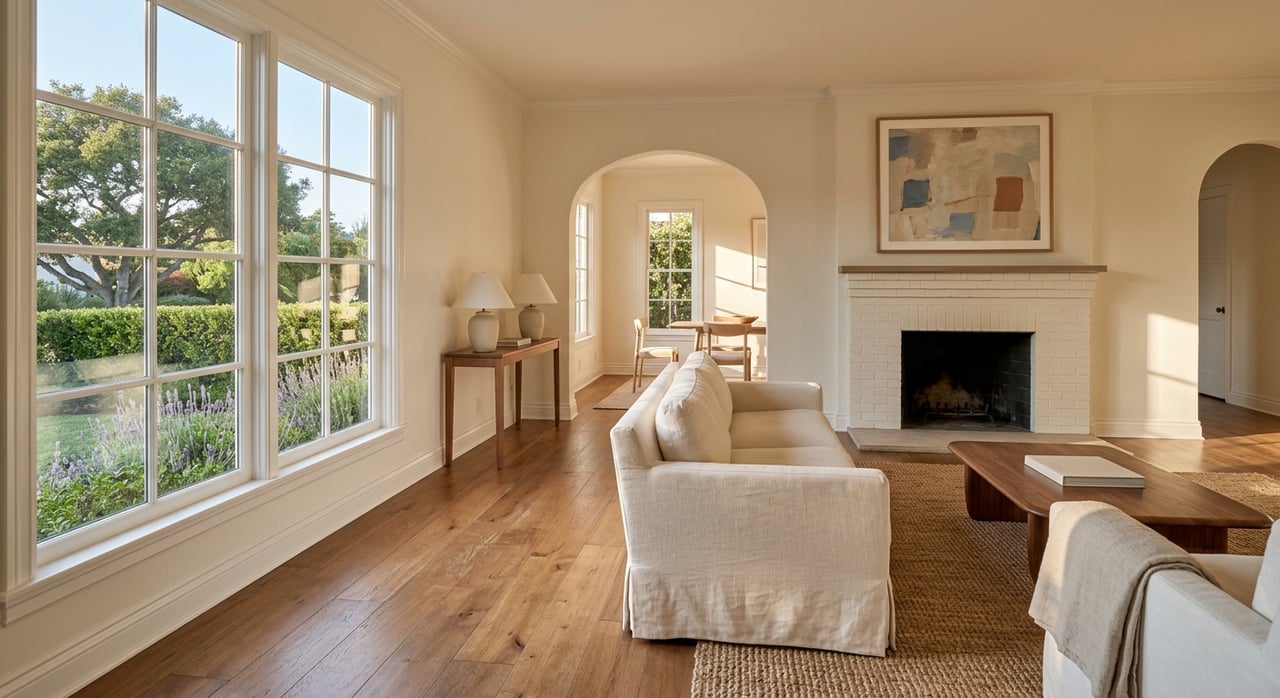
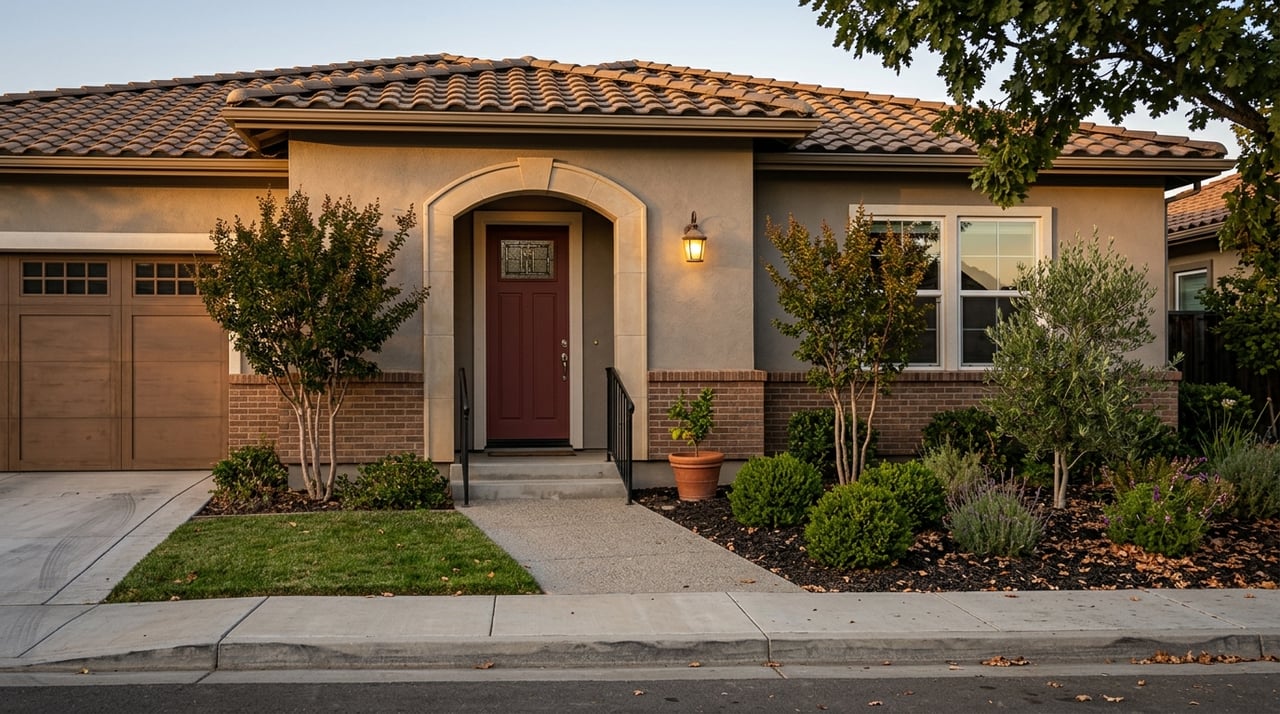
South Land Park and Greenhaven tend to stand out for buyers who want an established single-family neighborhood with mature landscaping and a more settled atmosphere. The housing stock is older, the streetscape has personality, and the overall community feels built out rather than in transition. That can be a major advantage if you value consistency in neighborhood character.
These areas are also attractive if outdoor access matters to you. Parks, levees, river-oriented recreation, bike paths, and dog-friendly spaces all contribute to the lifestyle. The combination of residential calm and practical Sacramento access is a big reason many buyers keep these neighborhoods on their shortlist.
What to Keep in Mind as a Buyer
Every neighborhood comes with tradeoffs, and it is smart to be clear-eyed about them. South Land Park and Greenhaven offer an established setting, but they are not built around major new development or a concentrated commercial center. If your priority is newer homes or a more urban pace, you may want to compare these neighborhoods with other parts of Sacramento.
It is also worth paying attention to the details that come with older neighborhoods. Street patterns, sidewalk presence, lot layouts, and home styles can vary more than they do in newer subdivisions. For many buyers, that variation is part of the charm, but it helps to tour the area with a neighborhood-specific lens.
Why Local Guidance Matters Here
In neighborhoods like South Land Park and Greenhaven, block-by-block knowledge can make a real difference. Established communities often have subtle differences in street feel, home style, park access, and commute convenience that do not always show up in a quick online search. Knowing how those details line up with your goals can help you buy with more confidence.
If you are thinking about buying or selling a single-family home in this part of Sacramento, working with someone who understands the neighborhood’s history, housing character, and buyer appeal can help you make a stronger decision. For personalized guidance on South Land Park, Greenhaven, and other established Sacramento neighborhoods, connect with Angela Heinzer.
FAQs
What is the overall feel of South Land Park in Sacramento?
- South Land Park feels established and mostly residential, with mature trees, curving streets, mid-century character, and close access to major roads.
What is Greenhaven known for in Sacramento?
- Greenhaven is known for its early cluster-planning design, ranch-style single-family homes, and its water-oriented identity connected to Lake Greenhaven and the river area.
Are South Land Park and Greenhaven good for outdoor activities?
- Yes. The area is closely tied to the Sacramento River, levees, neighborhood parks, dog-friendly spaces, and trail connections like Garcia Bend Park and the planned Del Rio Trail.
Is South Land Park a walkable urban neighborhood?
- South Land Park is better described as a residential neighborhood with scattered retail and community anchors, rather than a dense urban district with a single central commercial core.
How do you get around from Greenhaven and South Land Park?
- Interstate 5 is the main regional route, while Pocket Road, Florin Road, Freeport Boulevard, and Greenhaven Drive handle local travel. SacRT bus service also connects the area to downtown Sacramento and other routes.
Are there many new homes in South Land Park and Greenhaven?
- The city says very little vacant land remains for major new development, so the area is generally known for established housing rather than large-scale new construction.