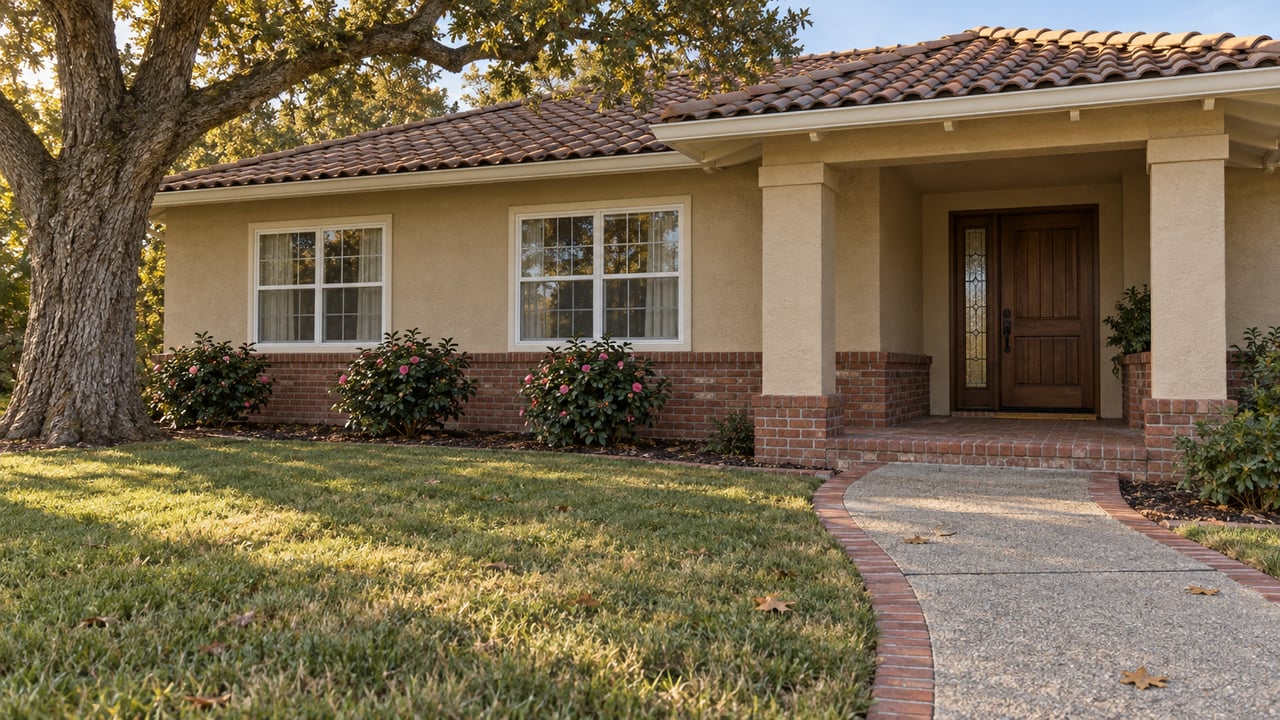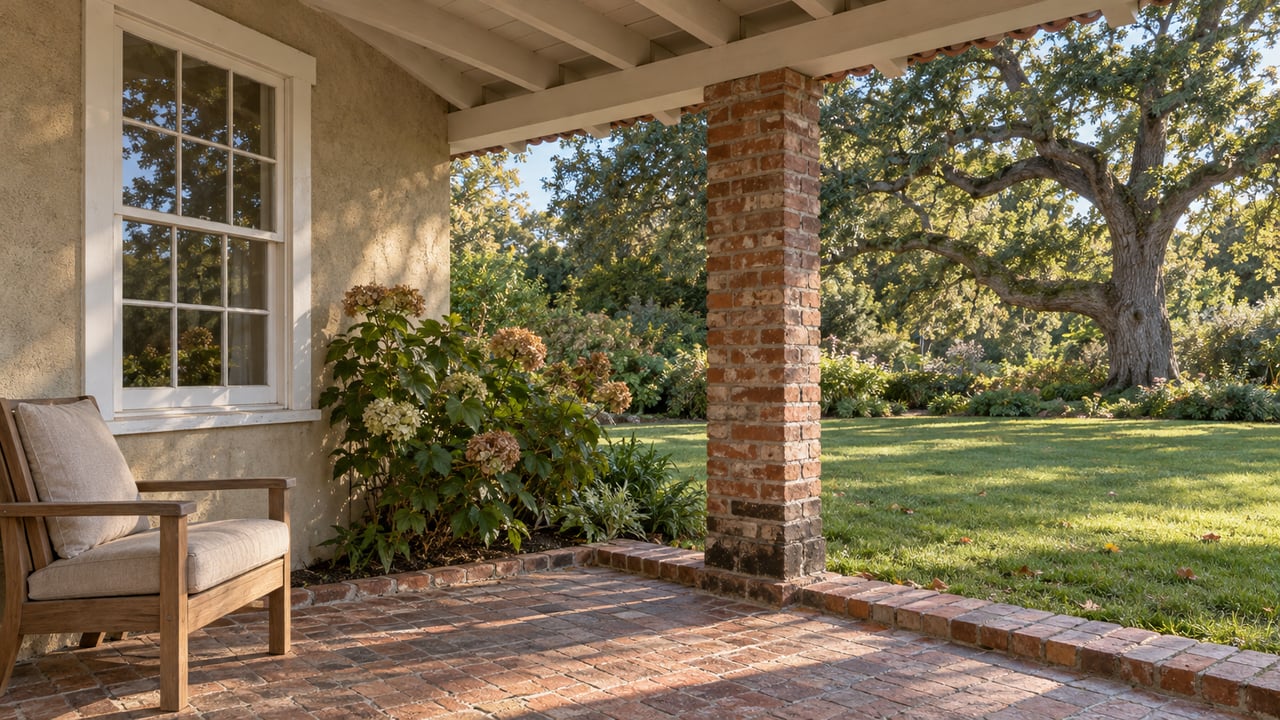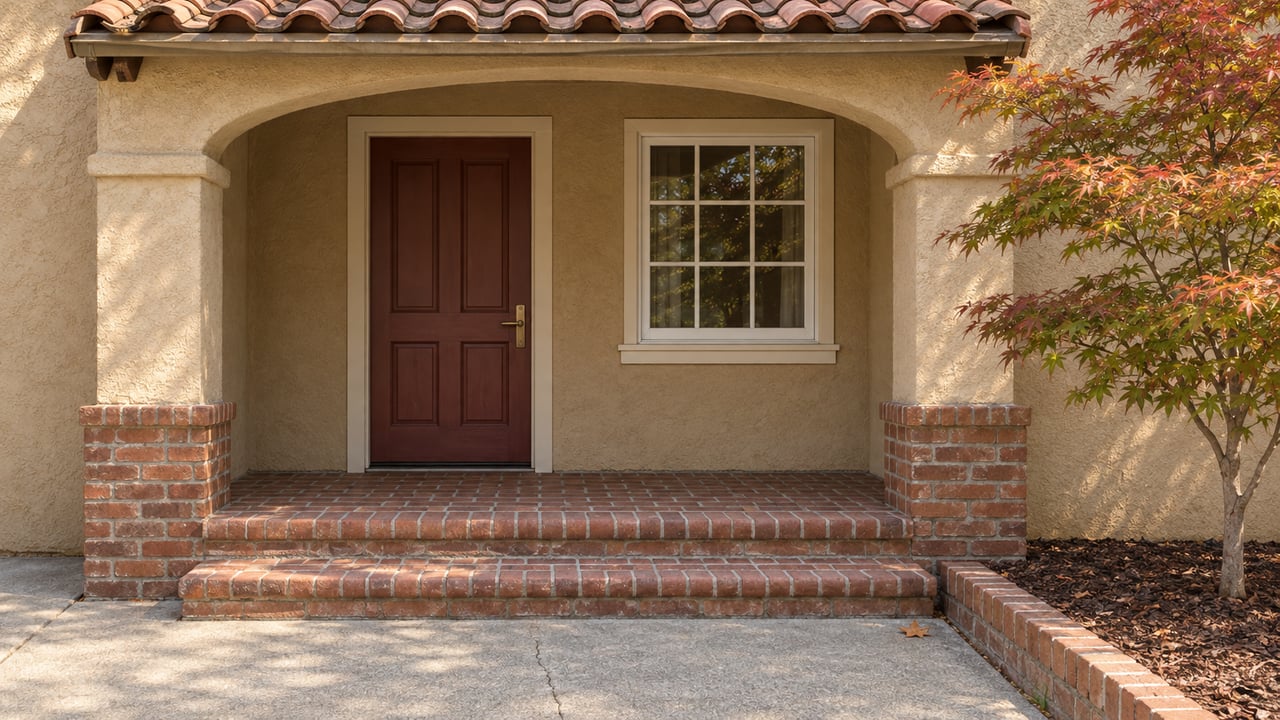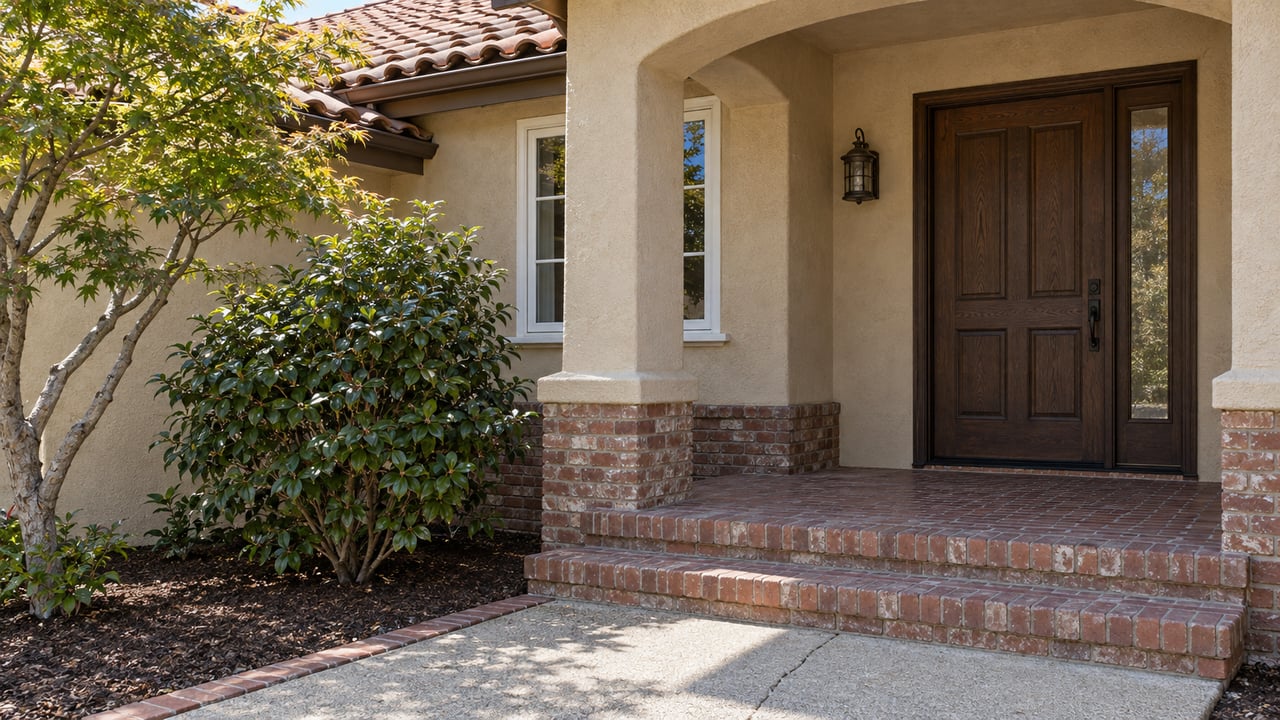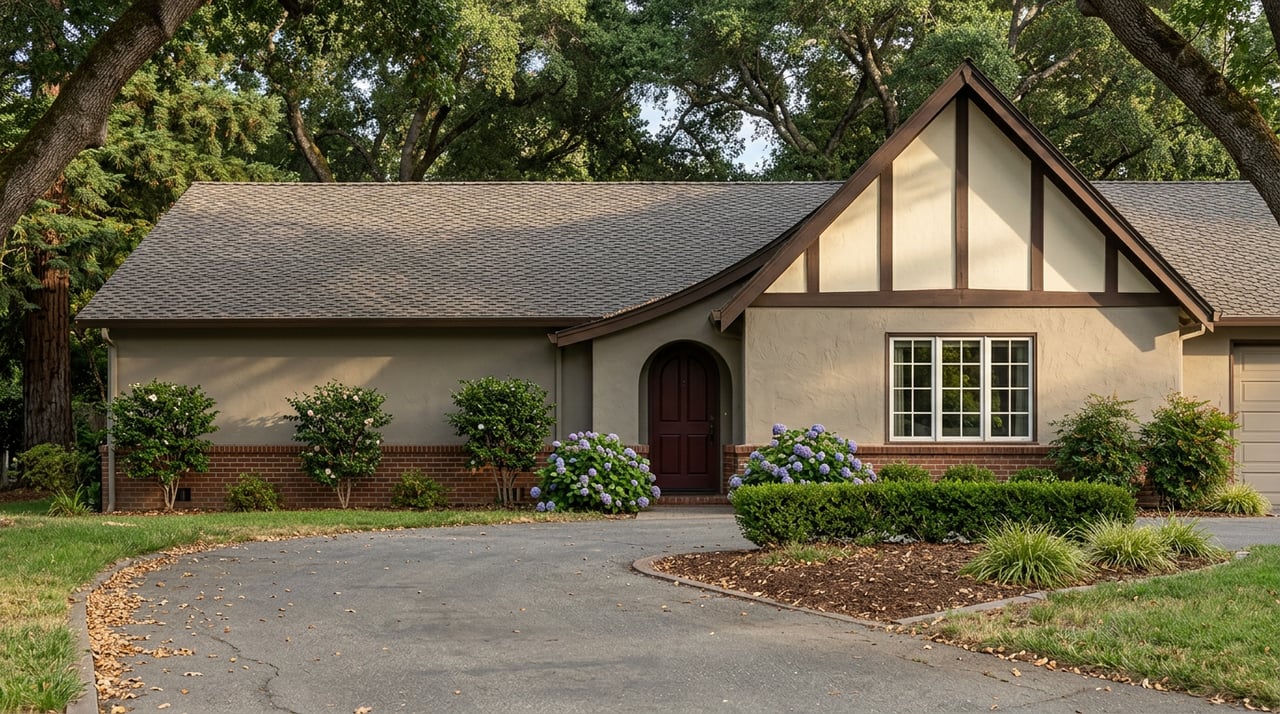
For a neighborhood founded in 1929 to give Sacramentans a taste of country living, Sierra Oaks has spent the last few decades earning a reputation for what it lacks. No sidewalks on most streets. Wide, winding roads that discourage foot traffic. A quiet interior that residents themselves describe as rustic. The trade has always been that anything you actually need sits just north on Fair Oaks Boulevard, and anything you want sits fifteen minutes downtown.
That second half of the deal is quietly expiring. Between Munroe Street and Howe Avenue, the Fair Oaks corridor has added enough in the last eighteen months that most weeknights no longer require crossing the river. Residents who grew up thinking of the neighborhood as a bedroom for Midtown are, without quite noticing, spending more of their week inside a 1.5-mile arc that begins at their own driveway.
The stretch nobody calls by name
Sierra Oaks proper sits south of Fair Oaks Boulevard, bounded by the American River. Loehmann's Plaza anchors the north edge at Fair Oaks and Munroe. Pavilions sits a short drive west. Campus Commons pushes further along toward Howe. None of these three centers share a marketing identity, which is part of the point: from a resident's perspective, they function as one continuous strip, and the boundaries only matter to leasing brokers.
That coherence is why openings anywhere along the arc register as local. When Mikuni opened its newest location at The Oaks by Pavilions on Fair Oaks Boulevard near Howe, it wasn't a "west Arden" opening or a "Campus Commons" opening. For anyone living off American River Drive or Munroe, it was dinner four minutes from home. Same story with the second Chip Cookie at 2080 Fair Oaks Boulevard, which slotted into Campus Commons as a walk-up dessert stop on the way back from the river trail.
What's actually new, and what has always been there
The tenants residents already lean on inside Loehmann's Plaza haven't changed much, and that stability matters more than any single new arrival. Grateful Bread still bakes each loaf over three days and sweetens only with local honey. Save Mart still handles the weekday grocery run. Bento Box still fills the quick-lunch slot. What has shifted is the surrounding density.
A short inventory of the corridor as it stands in summer 2026:
- Loehmann's Plaza (Fair Oaks & Munroe): Grateful Bread's sourdough program, Save Mart for pantry, plus the plaza's mix of fitness studios and small services. The center is roughly 99,000 square feet on a 10-acre parcel, and Jones Lang LaSalle currently lists seven retail spaces available, suggesting more turnover ahead this year.
- Pavilions: Piatti Italian Restaurant and Wildwood Kitchen and Bar as the sit-down anchors, with Mikuni now added at the adjoining Oaks pad.
- Campus Commons stretch: Chip Cookie's second location for late-night sweets and Temple Coffee Roasters' farm-to-cup program for the morning shift.
- Slightly further afield but still inside the daily radius: Bodega Biondi, an Italian and Spanish tapas concept, is planned for the former Wild Rooster Bistro space in Fair Oaks Village, and Palm Tree Brewing Co. is building out a new brewery and taproom on Fair Oaks Boulevard after closing its Orangevale and Hazel Avenue locations.
None of these are destination restaurants that pull crowds from across the county. That's the feature, not the bug. They are neighborhood-scale, weeknight-scale, and the collective effect is that a Sierra Oaks resident's dinner rotation has doubled without anyone making a fuss about it.
The parkway entrance three blocks from your driveway
The other half of the story sits on the opposite edge of the neighborhood. Sierra Oaks is bounded on the south by the American River, and the American River Parkway runs 32 miles from Discovery Park to Folsom along the paved Jedediah Smith Memorial Trail. The trail is one of the largest urban recreation systems in the country, and the closest access point for most Sierra Oaks households is off Ethan Way.
Ethan Way is the entrance most residents drive past on the way somewhere else. Two miles down the trail from that access, you're at William B. Pond Recreation Area, which sits at the end of Arden Way in Carmichael and is home to the American River Parkway Foundation headquarters at 5700 Arden Way. Cross the Harold Richey Bicycle Bridge from Pond and you're at River Bend Park. Head the other direction on the paved trail and Ancil Hoffman's 396 acres of ancient oaks open up off Watt Avenue.
The math is worth stating plainly: from most Sierra Oaks front doors, the trailhead is closer than the nearest grocery store. Residents who commute by car and shop by car frequently don't realize this.
The Parkway Half Marathon, run each April from William B. Pond, has funneled more than $400,000 into the trail system to date, funding habitat restoration, trash cleanup, kids' interactive nature trails, and, as of Spring 2026, a fifth new drinking fountain along the route. Those fountains are the sort of infrastructure detail most trail users notice only when they're already tired and thirsty. For a family walking a stroller loop from Ethan Way to Pond and back, they change how far you'll actually go.
A Saturday that never crosses the causeway
Here is what a summer Saturday can look like without leaving the arc between the river and Fair Oaks Boulevard:
| Time | Where | The point |
|---|---|---|
| 7:30 a.m. | Temple Coffee Roasters, Fair Oaks Blvd | Pull-shot espresso before the plaza fills up |
| 8:15 a.m. | Trail entrance off Ethan Way | Six to eight miles paved, flat, shaded by mature oaks |
| 10:30 a.m. | Grateful Bread inside Loehmann's Plaza | The day's sourdough is on the shelf; it does not last past noon |
| 11:00 a.m. | Sierra Oaks Park on Monroe Street | Tennis courts, shaded playground, low-noise picnic space |
| 12:30 p.m. | Home, or Piatti at Pavilions for a longer lunch | Ten-minute round trip either way |
| 4:00 p.m. | Ancil Hoffman via Watt Avenue | 396 acres of old oaks; drive is under fifteen minutes |
| 7:30 p.m. | Mikuni at The Oaks by Pavilions | Reservations recommended; the new location fills fast on weekends |
None of that requires a bridge, a freeway, or a parking garage. Ten years ago, at least two of those slots would have defaulted to Midtown or East Sacramento by necessity. Today they don't.
The pieces that don't move
The reason the corridor works is that its anchors are boringly reliable. Rio Americano High School sits within the attendance area and continues to draw families who want a public option with strong AP offerings. Sierra Oaks K-8 on Munroe remains the local elementary and middle school. The housing stock, mostly built between the 1960s and 1980s with pockets of French-inspired originals from the neighborhood's founding, has held its shape while newer suburbs churn.
That stability is what lets a corridor like this thicken without becoming unrecognizable. Loehmann's Plaza was built in 1975 and is still leased by residents' names for its anchor tenants rather than its landlord. Pavilions has been the west-side counterweight for decades. What has changed is density around the edges, and density is what turns a strip into a neighborhood.
The quiet argument for Sierra Oaks in 2026 is not that it has been reinvented. It's that the trade its original planners offered, country feel with city access, is finally being honored on both sides. The country part was always there in the redwoods and the oak canopy and the trail three blocks south. The city part used to require a drive. Now, for a growing share of the week, it doesn't.
If you're weighing a move within the arc, or thinking about what your Sierra Oaks home might command in a market that's rewarding well-cared-for single-family stock, Angela Heinzer has spent 36 years watching how this corridor evolves and what buyers pay attention to when they cross the American River for the first time. Get Your Free Home Valuation and let's talk about where your street sits in the current market.