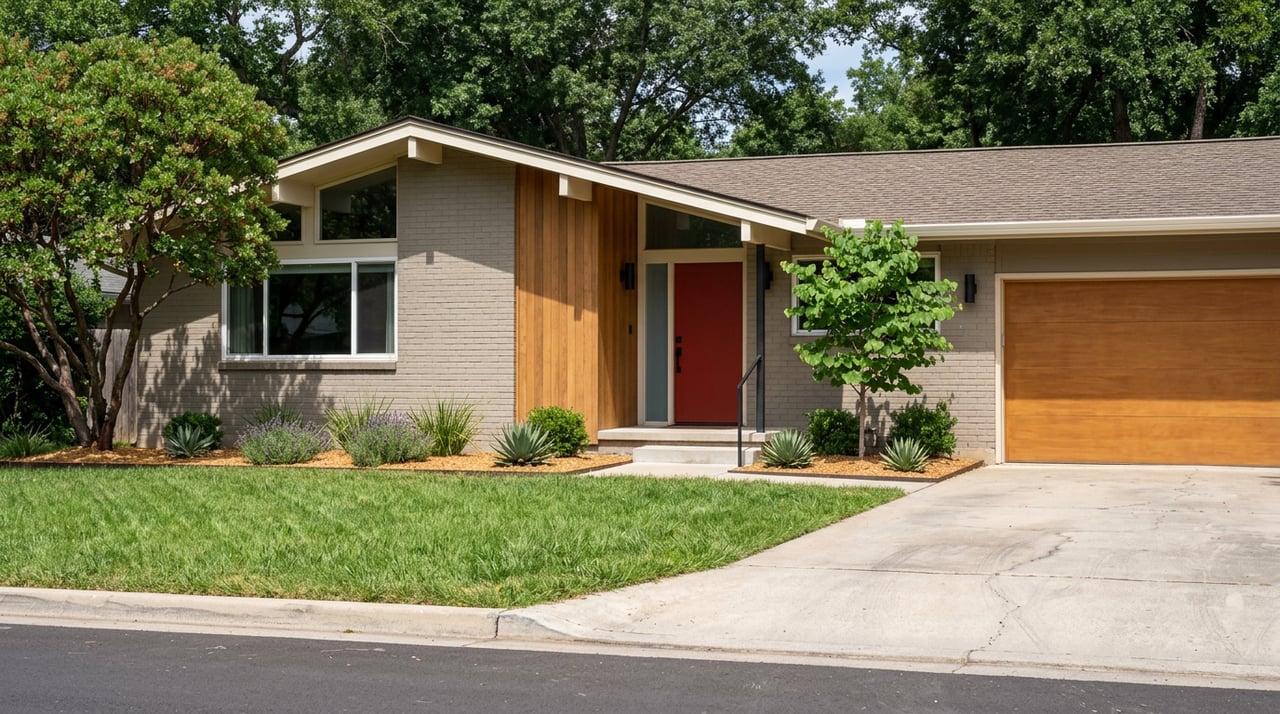
Thinking about selling your mid-century home in Land Park? Buyers love the neighborhood’s tree-lined streets and classic architecture, but they also expect modern comfort and clear value. With the right plan, you can showcase original character, tackle high-ROI updates, and market your home to the people most likely to compete for it. This guide walks you through pricing, prep, staging, photography, and a practical timeline designed for Land Park sellers. Let’s dive in.
Price with mid-century context
Land Park pricing has hovered in the upper 700s to mid 800s in recent neighborhood snapshots. Price per square foot often ranges around the $500 to $560 band, and days on market can swing with season and listing quality. Since portals report different numbers, use a local CMA tied to your exact pocket, lot size, and condition. Neighborhood intelligence tools confirm that block-level variation matters, so rely on hyperlocal comps rather than a single index. You can review a neighborhood PPSF overview for context at the Land Park page on Listalysis.
Key valuation drivers for mid-century and ranch homes in Land Park include lot size and indoor-outdoor flow, intact original features like glass walls or exposed beams, the condition of major systems, and the kitchen and primary bath. The presence or potential of an ADU can also influence value. These factors can move your final price when buyers line up similar properties in the same pocket.
Understand Land Park demand
Land Park benefits from proximity to William Land Park, including the Zoo, Fairytale Town, and the golf course, along with walkable streets and convenient access to schools and local amenities. These qualities pull in move-up buyers and design-focused shoppers who value neighborhood character. South Land Park includes concentrations of mid-century homes, with a designated Eichler area that draws architectural enthusiasts.
If your home features authentic mid-century details, buyers often respond to that character. In areas with preservation initiatives, it helps to document original features and highlight updates that respect the architecture. This sets the stage for stronger showings and more confident offers.
- Explore neighborhood context through the Library of Congress overview of William Land Park.
- See local preservation efforts via Sacramento Modern.
Preserve character, modernize where it counts
You do not need a full gut remodel to sell well. Preserve the features that define your era, and modernize where buyers expect reliability and function. Focus on the items that remove objections without erasing the aesthetic that makes your home stand out.
What to preserve and feature:
- Original woodwork, exposed beams, built-ins, and period fireplaces.
- Indoor-outdoor sightlines, large windows, and sliders that showcase the yard.
- Mature landscaping that frames the architecture.
Where to modernize:
- Mechanical systems: roof, HVAC, electrical, and plumbing where needed.
- Kitchen and primary bath surfaces, lighting, and functionality.
- Energy and safety items that show well during inspections.
Pre-list improvements with ROI
Start with safety and reliability, then move to high-impact cosmetics, and finish with curb appeal. Save larger projects for a longer runway.
Primary items to tackle first
- Fix safety and system issues. Consider a pre-listing inspection so you can control timing and repairs rather than reacting mid-escrow. Industry guidance shows this reduces late-stage renegotiations.
- Evaluate HVAC age and performance. In Sacramento’s climate, buyers prize reliable cooling and efficient systems.
High-impact, good ROI updates
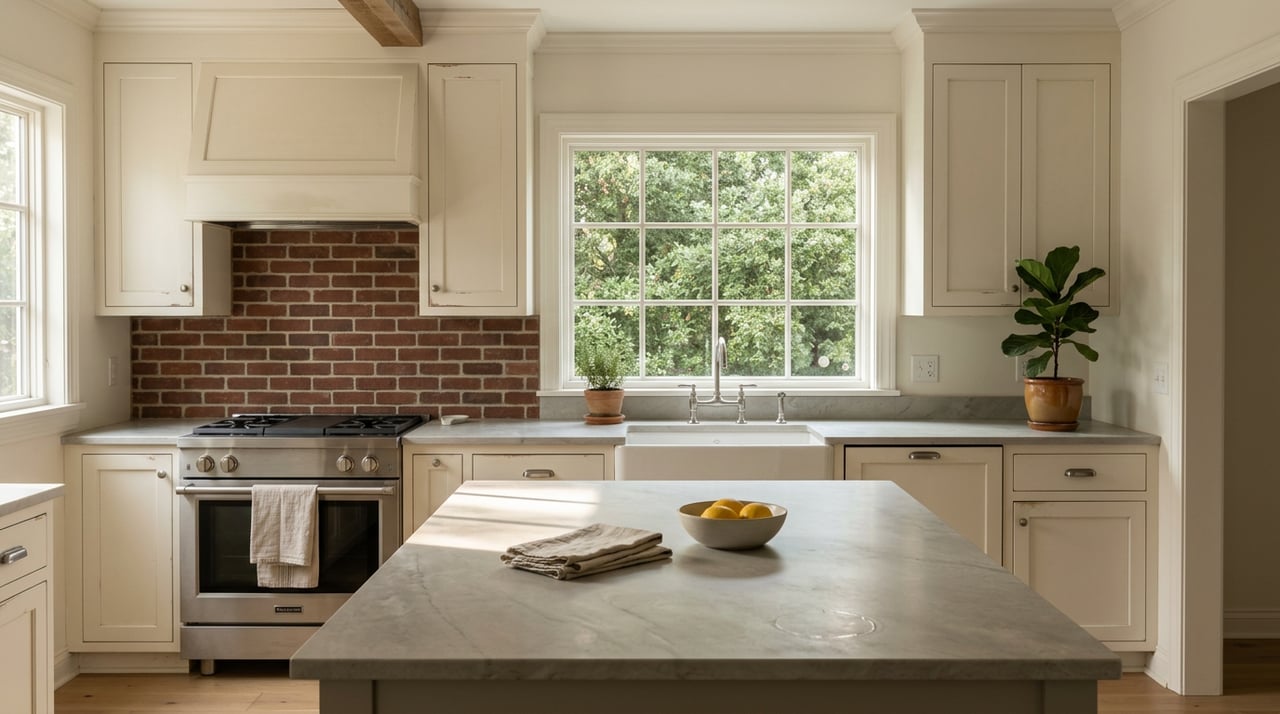
- Minor kitchen refresh. Refacing cabinets, updating counters, improving lighting, and replacing appliances can deliver strong resale support without overspending. National Cost vs. Value data consistently ranks minor kitchen remodels among the better recoup projects.
- Paint, deep clean, and refinish wood floors. Neutral paint and well-finished wood make mid-century interiors feel fresh while preserving character.
Exterior and curb appeal
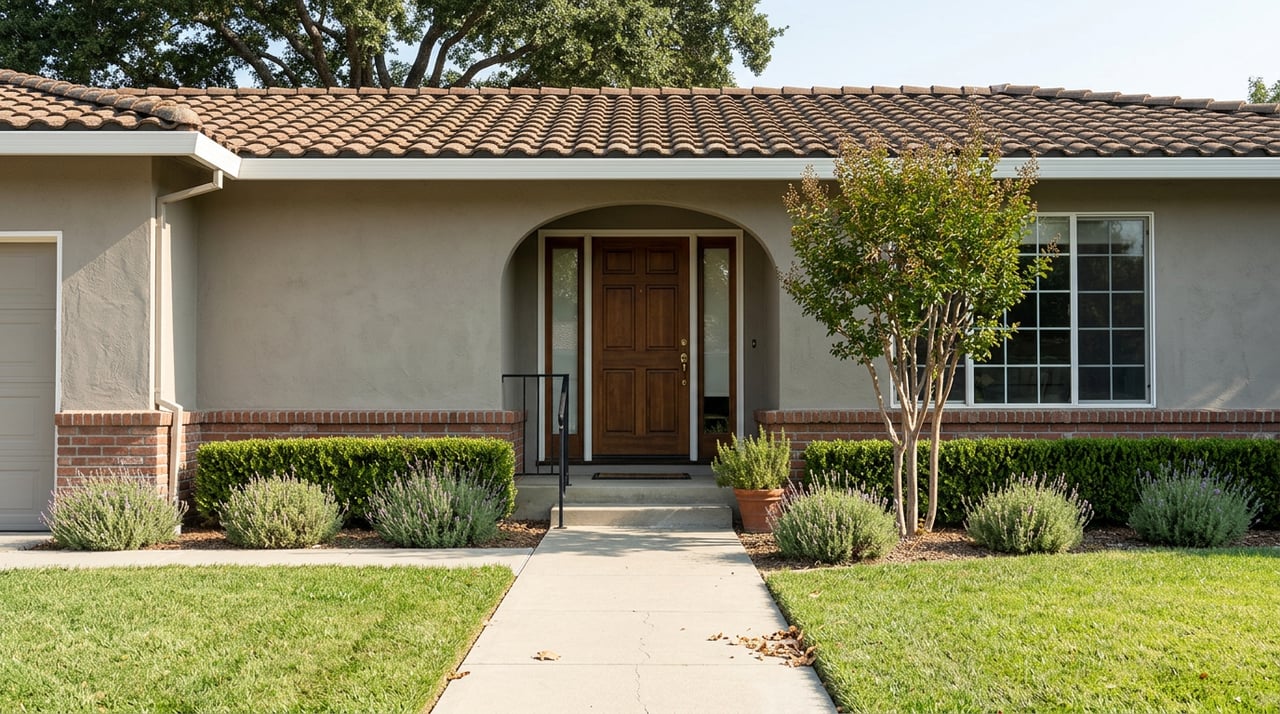
- Upgrade the garage or entry door, refresh landscaping, and add exterior lighting. Cost vs. Value reporting shows select exterior projects regularly score high on recoup and drive strong first impressions in photos and drive-bys.
Longer-lead projects
- ADU potential. Sacramento and California have streamlined ADU rules, and the City offers an ADU Resource Center and shelf-ready plans. An ADU can boost versatility and long-term value, but permitting and build timelines run months, so consider feasibility. For a near-term sale, you can present ADU potential in the listing rather than breaking ground.
Permits and disclosures to plan for
- Permits: Structural kitchen or bath changes, major electrical work, and ADUs typically require City approvals. Review requirements and timelines with the City of Sacramento ADU Resource Center and related planning resources.
- Lead-based paint: For homes built before 1978, federal law requires lead-paint disclosure. Provide the EPA/HUD pamphlet and any known records.
Helpful links:
- Pre-listing inspection guidance: American Society of Home Inspectors.
- What buyers value in home features: Kiplinger.
- ROI insights: Remodeling Cost vs. Value.
- City of Sacramento ADU Resource Center.
- EPA lead-based paint disclosure overview.
Stage for mid-century appeal
Staging helps buyers visualize and often shortens time on market. National reporting from NAR shows staging can boost sale outcomes and reduce days on market, especially when you focus on key rooms.
Practical staging principles for this style
- Preserve original materials. Refinish quality wood rather than painting it. Let brick and stone speak for themselves when in good condition.
- Emphasize indoor-outdoor flow. Clear sightlines to the yard, keep windows unobstructed, and stage patios to show everyday living.
- Use low-profile furniture. Choose pieces that echo mid-century lines or neutral modern shapes that do not compete with architecture.
- Keep it minimal. Limit clutter, use a neutral palette, and add restrained pops of color for warmth.
- Avoid over-modernizing. Ultra-contemporary decor can fight the home’s period character.
Rooms to prioritize
- Living room: where architectural features shine.
- Kitchen: clean counters, fresh lighting, and modern but simple styling.
- Primary bedroom: calm, bright, and spacious with minimal furniture.
Reference: NAR’s 2025 staging insights.
Photography and premium marketing
Most buyers start online, and premium media influence which homes they tour. Invest in visuals that show the lines, light, and lifestyle that define Land Park mid-century homes. Strong media protect your equity by drawing more qualified showings in the first days on market.
Recommended deliverables
- High-resolution interior photography with detail shots of built-ins, ceiling lines, and woodwork.
- Twilight exteriors to showcase warm interior light and landscape lighting.
- Drone images to reveal the lot, tree canopy, and proximity to Land Park amenities.
- Interactive floor plan or 3D tour to help long-distance buyers understand flow.
- A short, agent-led highlight video and a one-minute social reel to amplify reach.
Budget ballpark
- Photography with drone, twilight, floor plan, and a short video often ranges from a few hundred dollars up to about $1,000 to $1,500 depending on scope. Partial staging can run from a few hundred to several thousand based on rooms and rental needs. Get local quotes as packages vary.
Targeted distribution
- In addition to broad MLS and brokerage syndication, include outreach to design-interested audiences and local architecture groups. For especially authentic properties, a curated email or social campaign to mid-century enthusiasts can surface motivated buyers who value originality.
Six-month prep timeline
Month 0 to 1
- Interview agents, request a targeted CMA, and map a pre-list plan.
- Order a pre-listing inspection and gather bids for any safety items.
Month 2 to 3
- Complete safety and priority repairs. Service HVAC and water heater.
- Decide on cosmetic scope: minor kitchen refresh and lighting are common wins.
- Pull permits early for any work that requires approval.
Month 3 to 4
- Execute paint, floor refinishing, and landscape refresh.
- Book staging focused on living room, primary bedroom, and kitchen.
- Schedule photography, 3D tour, and video for your target launch date.
Month 4 to 6
- Finalize media, launch the listing, and run a multi-channel campaign.
- Host open houses and broker previews. Review early feedback and adjust if needed.
Planning 6 to 12 months out
- For larger projects like an ADU or major reconfiguration, begin design and permitting immediately. If timing slips, consider listing with documented feasibility instead of mid-construction.
Work with a neighborhood pro
Selling a mid-century home in Land Park is about striking the right balance between authenticity and today’s expectations. With 36 years in Sacramento neighborhoods and a boutique, concierge approach, Angela packages listings with premium media, thoughtful staging, and Coldwell Banker distribution to reach qualified buyers locally and nationally. If you want a plan that preserves your home’s character while maximizing price, let’s talk.
Ready to map your sale? Connect with Angela Heinzer for a free home valuation and a room-by-room prep plan tailored to your timeline.
FAQs
How should I price a mid-century home in Land Park?
- Use a local CMA that weighs lot size, original features, system condition, and kitchen/bath updates. Neighborhood PPSF often sits around $500 to $560, but block-level comps matter most.
What updates give the best resale ROI before selling?
- Minor kitchen refreshes, neutral paint, floor refinishing, and curb appeal upgrades like garage or entry doors score well on national ROI benchmarks and show strongly to buyers.
Do I need a pre-listing inspection for a 1950s home?
- A seller-side inspection helps you fix safety items on your schedule and reduces mid-escrow surprises. It can preserve leverage when negotiations begin.
Is staging worth it for a Land Park mid-century listing?
- Yes. NAR reporting shows staging can boost results and reduce time on market. Focus on the living room, primary bedroom, and kitchen for the biggest impact.
Should I build an ADU before listing in Sacramento?
- Only if your timeline allows for design, permitting, and construction. Otherwise, present ADU potential with city resources and let buyers value the opportunity.
What are my disclosure duties for a pre-1978 home?
- Federal rules require a lead-based paint disclosure and delivery of the EPA/HUD pamphlet. Provide any known records and inspection reports with your disclosures.